Henna tattoos are a popular choice for people who want temporary body art without committing to a permanent tattoo. They can be used to decorate hands, legs and other areas with decorative patterns for weddings, celebrations and special occasions. The final colour and how long the design remains visible depend on several factors, including the application area, skin type and aftercare.
Understanding how henna develops its colour and how to care for it can help you enjoy your design for as long as possible.
Table of Contents
How Long Do Henna Tattoos Usually Last?
A henna tattoo typically lasts around one to two weeks, although some designs may fade sooner or remain visible for longer. The exact duration depends on where the henna is applied, how often the area is washed and how quickly the skin naturally sheds its outer layer.
Henna designs on the hands and feet may develop a deeper colour because these areas often allow stronger staining. Designs on other parts of the body may appear lighter and fade more quickly.
As the skin naturally renews itself, the henna colour gradually fades. This is a normal part of wearing temporary henna body art.
How Does a Henna Tattoo Develop Its Dark Colour?
Henna stains the outer layer of the skin, and its colour develops gradually after application. Initially, the design may appear orange or reddish-orange. Over the following 24 to 48 hours, it can deepen into a richer reddish-brown shade.
The final result depends on factors such as the quality and freshness of the henna paste, application technique, skin characteristics and the area being decorated.
It is important to allow the colour time to develop rather than expecting the darkest shade immediately after the paste is removed.
How Can You Make Your Henna Tattoo Stay Darker?
Although you cannot prevent a henna tattoo from eventually fading, suitable aftercare can help support a richer stain.
- Allow the colour to develop: Give the design time to deepen after application, as the initial colour may be lighter than the final result.
- Follow the artist’s instructions: Keep the paste on for the recommended period and remove it as directed.
- Avoid excessive washing initially: Limit unnecessary contact with water while the stain is developing.
- Keep the skin moisturised: Once the paste has been removed, use a gentle moisturiser if suitable for your skin.
- Reduce friction: Avoid excessive rubbing, scrubbing or exfoliating the decorated area.
- Protect the design during everyday activities: Frequent washing, swimming and exposure to cleaning products may cause the colour to fade sooner.
These steps may help preserve the appearance of the stain, but results vary from person to person.
Which Areas of the Body Hold Henna Colour Best?
The application area can influence the depth and longevity of a henna tattoo. Palms and soles often develop darker stains than areas such as the arms or legs because of differences in skin thickness and other skin characteristics.
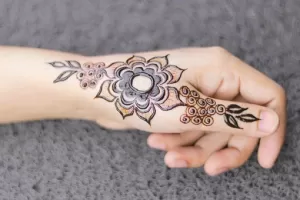
Henna designs on hands are popular for celebrations and weddings, while leg designs can provide a decorative option for special occasions. The size, detail and placement of a design can also affect its overall appearance.
Choosing a suitable design for the intended body area can help create a result that complements the occasion and personal style.
What Should You Avoid After Getting a Henna Tattoo?
Certain activities can cause a henna design to fade more quickly or interfere with colour development. Excessive scrubbing, exfoliation and frequent washing may reduce how long the stain remains visible.
Avoid applying harsh chemicals or unverified products to the design in an attempt to darken it. In particular, avoid so-called black henna products that may contain para-phenylenediamine (PPD), which can cause serious skin reactions.
If you experience burning, swelling, blistering or a significant rash, seek medical advice.
How Can You Choose the Right Henna Tattoo for a Special Occasion?
Henna tattoos can be customised to suit different preferences, from simple decorative patterns to detailed designs for weddings and celebrations. When choosing a design, consider the placement, amount of detail and the time available for application.
Discuss your preferred style and the occasion with your henna artist before the appointment. This helps establish realistic expectations for the design, application time and expected colour development.
For temporary henna body art, you can explore the henna tattoo service offered by Belle Brow Bar to learn more about available options.
Conclusion
Henna tattoos generally remain visible for around one to two weeks, although the duration varies depending on the application area, skin characteristics and aftercare. The stain usually develops from an orange shade into a deeper reddish-brown colour over the first 24 to 48 hours.
Following suitable aftercare, avoiding excessive friction and allowing the colour to develop naturally can help maintain the design’s appearance. With the right design and realistic expectations, henna body art can be a beautiful temporary option for weddings, celebrations and everyday personal style.